Comparing Brick, Stone, and Paver Walkways: Which Survives Minnesota Winters Best?
Brutal freeze and thaw cycles destroy standard walkway surfaces across Western Wisconsin every single winter. Holm & Olson Landscape Design specializes in flexible paving systems that absorb these extreme ground movements without taking damage. Assuming a rigid material will hold up ignores basic material physics. Comparing the mechanical differences between paving options helps you make a permanent and reliable investment in your property.
When water freezes beneath a solid path it exerts massive upward pressure that eventually snaps the material. Repairing a cracked walkway requires expensive demolition and ruins the curb appeal of your home. Selecting a forgiving paving system eliminates these structural failures and reduces long term maintenance costs. Understanding how different materials handle the cold protects your landscaping budget.
Exploring the material facts:
- Concrete Failure: Why solid slabs crack.
- Flexible Systems: The mechanics of pavers.
- Surface Traction: Beating winter ice.
- Common Paving Questions.
Why Solid Slabs Crack
Homeowners debating a front yard upgrade constantly ask what is the best walkway material for cold climates. The reality of Midwestern winters proves that interlocking stones offer vastly superior durability over poured concrete. A poured concrete slab acts as a single rigid piece that cannot bend when the ground heaves. Interlocking pavers act as thousands of individual pieces that flex independently with the shifting soil. This flexibility allows the walkway to move slightly and settle back perfectly flat without ever cracking.
The Mechanics of Pavers
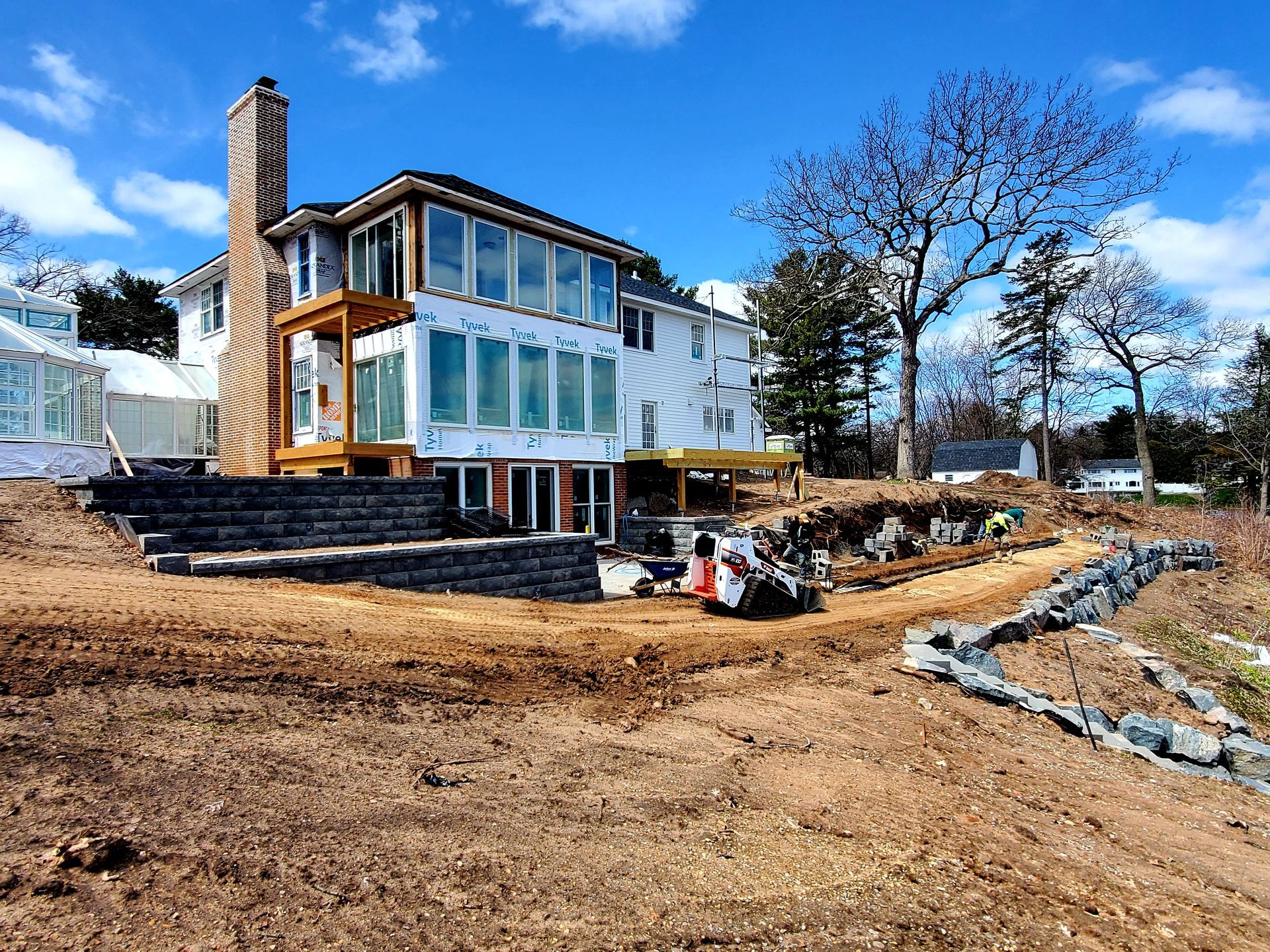
The secret to a perfect interlocking system lies hidden entirely underground. We excavate deep into the clay of Woodbury and Cottage Grove to build a massive foundation of compacted crushed gravel. This deep base facilitates rapid water drainage and prevents moisture from pooling directly under the stones. Proper water management stops frost heave in its tracks and keeps your path perfectly smooth for decades. Brick provides a classic look but can absorb moisture and spall over time if not manufactured specifically for severe weather. Natural stone offers incredible density and resists moisture penetration completely.
Beating Winter Ice
Smooth concrete becomes extremely slick and dangerous when covered in a thin layer of freezing rain. Concrete pavers and natural flagstone feature textured surfaces and multiple joints that provide excellent mechanical grip for your winter boots. We also provide Hardscape Design and Installation to correct any steep slopes on your property before laying the new pathway. Fixing the grade ensures melting snow flows harmlessly into the yard instead of freezing near your front door.
Executing a high quality build means paying attention to every single detail from the base material to the final joint sand.
► Client Experience: "They did a lot of stone work and landscaping and provided exceptional service with attention to detail."
Michael Hart confirms that meticulous groundwork results in a beautiful and lasting hardscape.
Common Paving Questions
Can I use a snowblower on an interlocking walkway?
You can safely use snowblowers and plows on interlocking stones provided the machine is equipped with a rubber or plastic scraper blade.
Do weeds grow between the paver joints?
We sweep specialized polymeric sand into the joints which hardens like concrete to block weed growth and prevent insect infestations.
Fortifying Your Front Entrance
Choosing a flexible paving system protects your walkways from the destructive forces of winter frost heave. Depend on expert installers to build a deep draining base that keeps your stones perfectly level. Call our hardscaping crew today to secure your custom paver consultation
Share This Blog